Menu

Global Alzheimer’s Platform Foundation Announces First Private Alzheimer’s Clinical Research Site in Region with Highest Prevalence of Disease

Alzheimer’s World Directs Eyes on the Rio Grande Valley as Acclaimed Family Physician Opens New Facility in Rio Grande City with Highest Alzheimer’s Rate in the Country

The Global Alzheimer’s Platform Foundation® (GAP) and Dr. Antonio Falcon celebrated the opening of El Faro Health & Therapeutics in Rio Grande City, TX on Saturday, marking a historic day for South Texas and the medical research community across the nation. This groundbreaking initiative is the first private clinical research site in Starr County, which has the highest prevalence of Alzheimer’s disease in the country. El Faro will bring new Alzheimer’s treatments, resources, and research opportunities to the region with the specific goal of increasing Hispanic participation in clinical trials. The first study to be conducted at El Faro will be GAP’s groundbreaking Bio-Hermes Study, which has made a landmark commitment to enroll at least 20% Black and Hispanic participants.

Starr County – which is 97% Hispanic – has the highest prevalence of Alzheimer’s in the country at nearly 23%. Nationally, Hispanics are 1.5x more likely to have Alzheimer’s or other dementias but are also less likely to be diagnosed due to misdiagnosis, lack of accessibility, language barriers, and certain health factors. As a result, Hispanics are often diagnosed later in the disease progression, with fewer options for treatment and research.“

El Faro Health & Therapeutics will improve access to Alzheimer’s research and care for people in the Rio Grande Valley and has the potential to alter the course of clinical trial design industry wide,” said Dr. Antonio Falcon, founder of El Faro Health & Therapeutics. “The Alzheimer’s public health crisis happening in Starr County and in Hispanic communities across the nation highlights why we need to direct our attention to providing clinical trials directly in underrepresented communities.”

El Faro is the latest enterprise of local renowned family physician Dr. Antonio Falcon, who decided to establish a research and care site in his native Rio Grande City to increase clinical trial participation in the region El Faro joins the Global Alzheimer’s PlatformFoundation’s network of clinical trial sites (GAP-NET) with access to resources and innovation to achieve faster, more conclusive clinical trials.

“El Faro will be a case study in how to bring complex clinical trials and resources to underserved, rural communities,” said John Dwyer, President of GAP. “In bringing Bio-Hermes to Rio Grande City, we are demonstrating to the world that it is possible to achieve true equity in Alzheimer’s research with collaboration from local leaders and communities.”

About the Global Alzheimer’s Platform Foundation® (GAP) – The Global Alzheimer’s Platform Foundation® (GAP) is a person-centric nonprofit dedicated to accelerating the delivery of innovative therapies for neurological disorders by reducing the duration and cost of clinical trials.Research centers across the US, Canada, and Europe are part of the growing GAP Network (GAP-Net). GAP supports GAP-Net research centers by assisting with study start up and recruitment activities, promoting diversity in research studies, and offering international clinical trial infrastructure, resources, and programs that champion brain health and the citizen scientists who make research possible.

About El Faro Health and Therapeutics – El Faro Health and Therapeutics is a clinical research site primarily engaged in Alzheimer’s disease research and treatment. It is the first private clinical research site in Starr County, TX, the county with the highest Alzheimer’s prevalence in the nation. El Faro is affiliated with the Global Alzheimer’s Platform Foundation Network (GAP-NET) with access to international clinical trial infrastructure and innovations in the research field.

Dr. Antonio Falcon is an esteemed and admired health care provider in his native Rio Grande City and across the U.S. – with more than 44 years of experience as a family physician treating a myriad of diseases, including dementia and Alzheimer’s. He was a member of the United States-Mexico Border Health Commission, a Commissioner for the Texas Parks and Wildlife Commission, and a Board Member for the Texas Medical Foundation Institute for Health Quality. He was named Family Physician of the Year by the Texas Academy of Family Physicians in 2015. He also was recently appointed as a trustee to the Baylor College of Medicine, his alma mater. Dr. Antonio Falcon will lead El Faro with his son Dr. James Falcon, a physician in Texas who served as an emergency medical physician in the United States Army – both domestically and while deployed to combat zones.

Originally posted in the Starr County Town Crier on November 17, 2021.

Renowned Father-Son Physician Duo to Bring First Alzheimer’s Clinical Trials to Rio Grande City

GAP-Net Site, El Faro Health and Therapeutics, was opened in Starr County, Texas led by Drs. Antonio and James Falcon.

El Faro Health & Therapeutics will be the first private clinical research site in Starr County, TX. This groundbreaking initiative will bring critical Alzheimer’s-related research and care to a community that has been historically underrepresented in clinical trials. Starr County is 97 percent Hispanic and has the highest prevalence of Alzheimer’s in the country (nearly 23 percent).

However, typically less than one percent of enrolled trial participants identify as Hispanic or Latino. This critical issue is emphasized by a historic lack of awareness and access to clinical trial opportunities in the Rio Grande Valley; similar stories could be heard around the country. Dr. Antonio Falcon and his son Dr. James Falcon have decided it’s time for a change.

The groundbreaking El Faro Health & Therapeutics Center is set to open its doors on Nov. 13, led by trusted local medical authority Dr. Antonio Falcon. El Faro is the first ever Alzheimer’s research and care site in a community that is 97% Hispanic and leads the nation in Alzheimer’s prevalence. The opening of El Faro is a milestone in addressing the Alzheimer’s public health affecting Hispanic/Latino Americans.

El Faro grand opening supported by local dignitaries, industry leaders, and local medical authorities. Staff and local community will highlight: Dr. Antonio Falcon | President, El Faro Health & Therapeutics; Trustee, Baylor College of Medicine; Former Health Authority of Starr County

  • John Dwyer | CEO, The Global Alzheimer’s Platform Foundation®
  • El Faro Patients & Caregivers
  • Henry Cuellar | United States Congressman*
  • Joel Villarreal | Mayor, Rio Grande City*

About the Father-Son Leadership Team

Dr. Antonio Falcon

Dr. Antonio “Tony” Falcon is an esteemed and admired health care provider in his native Rio Grande City and across the U.S. – with more than 44 years of experience as a family physician treating a myriad of diseases, including dementia and Alzheimer’s. Dr. Falcon is affiliated with Doctor’s Hospital Renaissance and Starr County Memorial Hospital. He was a member of the United States-Mexico Border Health Commission, a Commissioner for the Texas Parks and Wildlife Commission, and a Board Member for the Texas Medical Foundation Institute for Health Quality. He was named Family Physician of the Year by the Texas Academy of Family Physicians in 2015. Dr. Falcon most recently was the leading Starr County Health Authority during much of the COVID-19 pandemic, offering the latest medical guidance to the people of Starr County throughout his tenure. He also was recently appointed as a trustee to the Baylor College of Medicine, his alma mater, while in the midst of planning the opening of El Faro.

Dr. James Falcon

Dr. James Falcon – like his father – is also a trusted physician who until very recently was serving as an emergency medicine physician in the United States Army. After graduating college from the University of Texas at Austin and medical school from the University of Texas Southwestern Medical Center in Dallas, Dr. James Falcon held several medical positions within the Army both at home and while deployed to combat zones. He served as a physician in aviation, airborne, and special operations units during his career and deployed to Afghanistan, Syria, and Iraq. He currently serves as an emergency medical physician at Doctors Hospital at Renaissance in Edinburg, Texas. Additionally, he is a Lieutenant Colonel in the Texas Army National Guard and serves as a battalion surgeon in Weslaco, Texas. This fall, he will join his father to lead El Faro Health & Therapeutics.

Originally posted by Mega Doctor News and Texas Border Business on November 12, 2021.

Falcon: Clinical Trials to Focus on Alzheimer’s Crisis in Starr County

GAP is proud to support the grand opening of #GAPNet El Faro Health and Therapeutics, the first private research site in Starr County, Texas. Starr County is a 97% Hispanic Community with the highest prevalence of Alzheimer’s disease in America.

Legendary Starr County physician and Baylor College of Medicine Trustee, Dr. Antonio ‘Tony’ Falcon is set to announce new clinical trials to research Alzheimer’s Disease in his community.

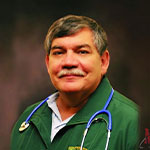
Dr. Falcon (pictured above) will be working alongside his son, Dr. James Antonio Falcon on the project, along with the nonprofit, Global Alzheimer’s Platform (GAP) Foundation.

El Faro Health & Therapeutics is a medical research and care site in Rio Grande City led by the Falcons. A news conference is slated to be held there on Saturday, Nov. 13, to announce the project. The news conference will run from 10 a.m. to 12 noon. The address is 2791 Pharmacy Road, Rio Grande City.

In an exclusive interview with the Rio Grande Guardian International News Service, Dr. Antonio Falcon explained how the collaboration began. He gave credit to former Texas Congressman, Jack Fields, for connecting him to John Dwyer, president and founding board member of Global Alzheimer’s Platform (GAP) Foundation.

“In Washington I met the CEO of Global Alzheimer’s Platform. This is a foundation that is patient-oriented. A nonprofit that works with different companies and entities and therapies with patients with Alzheimer’s and Parkinson’s. The goal being to reduce the time and cost of medications that patients need to receive,” Falcon said.

“As an offshoot of that, they want to reach into Hispanic communities. We have a population that is one and a half times more likely to develop Alzheimer’s disease and so there was a keen interest in adding Hispanics to their studies. That started the conversation. It has gotten us to the point where we are well into the development of getting ready to start our first clinical trial here in the next several weeks on Alzheimer’s research.”

Asked where the statistics about Starr County came from, Dr. Falcon said:

“According to Dr. Gladys Maestre, who is in charge of the new center in Harlingen that deals with Alzheimer’s, dementia and cognitive disorders, we are about one and a half times more likely to develop dementia here in Starr County than in the rest of the Valley.”

Asked if medical experts know why this is, Dr. Falcon said: “No, we don’t and that is part of the reason that we (El Faro) are in existence now. There is a lot of different factors that need to be considered and it is going to take a series of studies to start looking and seeing where these huge differences are coming from and what is causing it.”

Asked if he was surprised at the Starr County statistics, Dr. Falcon said: “Yes I was. I knew that we had a large number of patients that had dementia. I never realized it was that much of a difference. We do mostly geriatrics at our practice, so I thought we were seeing more of it because we see more older patients. But, in fact, there is a huge difference. I know Dr. Maestre and her group has a lot of plans on how to proceed with trying to find out if we can find the cause of this particular problem here in our community.”

Dr. Gladys E. Maestre is a professor of biomedical sciences at UT-Rio Grande Valley and director of the university’s Alzheimer’s Disease Resource Center for Minority Aging Research in Harlingen.

Dr. Falcon said he started his conversations with Dr. Maestre four to five months ago.

“The seminal event was the research company, Global Alzheimer’s Platform reaching out to us and saying we would like to do this because we feel there is a larger number. And when I started looking around and asking questions, sure enough, it was true. So it started out with that seminal event of that conversation in Washington between my friend Jack Brooks and John Dwyer.”

Asked why he and his son wanted to work with GAP on the project, Dr. Falcon said: “The first is the enthusiasm and vigor that they want to proceed with, having these kind of studies with Hispanics here in South Texas. On top of the enthusiasm and vigor, the quality of the group that is working on this. I am just very, very, impressed with how well organized they are and the number of excellent consultants they have that are available for us to tap into to proceed with this project.”

Dr. Falcon said he and his son could not have embarked on the project without the help of GAP.

“We feel they are a very, very, strong arm of what we are going to be doing,” Falcon said. “We want to start slow with a clinical trial called Bio-Hermes, which is being sponsored by Global Alzheimer’s. Through that study we are hoping to get our feet wet and start slow and go slow. And then add on studies as people see fit. (It is good) that they want studies with the kind of population we have in Starr County.”

Dr. Falcon said there are a disproportionate number of Hispanics with Alzheimer’s Disease when looking at the national population. He said he and his son want the studies to be ongoing. “We are looking at this long term. We are not looking at this short term. We are talking about years.”

Asked if anything like this has occurred in Starr County before, Dr. Falcon said:

“There have been studies into diabetes by UT San Antonio and those have been going on for a long time but I do not know of any trials that have occurred or are being done with Alzheimer’s disease.”

Dr. Falcon said he was pleased to be collaborating also with UTRGV. “There will be imaging studies as part of the Bio-Hermes studies. We hope to do them at the center in Harlingen and tap their expertise and their technology to help us accomplish part of the trial that we are trying to accomplish here in Starr County.”

Falcon added: “We are trying to get our feet wet but I already sense an enormous amount of support from those that are involved with cognitive disorder studies here in the Valley. It is a group that has a lot of enthusiasm on going forward and collaborating with each other as we try to go through this. And also, there is at least one medication that is now available. We are trying to get that medication into the arms of patients that qualify for the medication. That is a brand new step that has come out since we started looking at this project. That is a new dimension.”

GAP President Dwyer said: “Our collaboration with Dr. Falcon to develop El Faro Health & Therapeutics will improve neurological care for people in the Rio Grande Valley, and can improve the health outcomes for traditionally underrepresented people everywhere. The Alzheimer’s public health crisis happening in Starr County highlights why we need more opportunities for clinical trial participation from all the people who are affected by the disease.”

U.S. Rep. Henry Cuellar represents Starr County. He said:“The opening of El Faro Health & Therapeutics in Rio Grande City is an important milestone for the Rio Grande Valley, which has one of the highest rates of Alzheimer’s in the country. As a supporter of Alzheimer’s research in Congress, I know how beneficial it is for people in our region to have access to a first-rate clinical research facility. It’s critical that researchers consider the effect of any potential treatments on Hispanic people, who experience Alzheimer’s at a higher rate.”

More information:


  • Hispanics are 1.5x more likely to develop Alzheimer’s when compared with white people, yet they are severely underrepresented in clinical research.
  • At El Faro, the focus will be on recruiting Hispanic participants for Alzheimer’s clinical trials. Recruiting participants for Alzheimer’s clinical trials is one of the greatest obstacles to developing Alzheimer’s treatments. In fact, 99% of potential volunteers are never referred to or never consider participating.
  • One of the first clinical trials to be offered at El Faro will be Global Alzheimer’s Platform’s (GAP) Bio-Hermes Study. Bio-Hermes is a landmark clinical trial because once it is finished, we will have data that could revolutionize how we diagnose Alzheimer’s, ensuring that all future treatments work for everyone.
  • Bio-Hermes will enroll at least 20% Hispanic/Latino and Black participants (4x the national average). This means the results of this study will matter to our communities and will serve as a model for future trials.
  • People can enroll in these trials. Click here to learn more about clinical trial opportunities.

Originally posted by the Rio Grande Guardian on November 12, 2021.

President Biden Just Called for Racial Equity in Alzheimer’s Care & Research. Here’s How ARPA-H Can Help Us Achieve This Goal

GAP President John Dwyer commends President Joe Biden on his commitment to fight Alzheimer’s, as well as calls on Congress to pass ARPA-H.

Normally, presidential proclamations aren’t news. However, as the United States sinks deeper into a worsening Alzheimer’s public health crisis, President Joe Biden is making his priorities on the disease abundantly clear.

Prior to the commencement of National Alzheimer’s Disease Awareness Month 2021, Biden reaffirmed his commitment to fighting against the disease and made a long-overdue call for increased focus on ensuring that people who are disproportionately affected by Alzheimer’s are seen, heard and included in the quest to prevent and treat it.

We know firsthand what it takes to bridge racial gaps in Alzheimer’s research and care, from South Texas to Chicago. To achieve equity, we need extensive community-based partnerships combined with legislative and regulatory action in Washington.

The effects of Alzheimer’s on families across the United States are devastating: An estimated 6.2 million Americans ages 65 and older are living with the disease. And, barring the development of novel therapies and cures, an estimated 12.7 million Americans ages 65 and older will be living with Alzheimer’s by 2050.

Nationally, Black Americans are as much as three times more likely and Latino Americans are 1.5 times more likely to develop Alzheimer’s in their lifetimes than whites. By 2040, Black Americans and Latino Americans will account for over half the people living with Alzheimer’s in the United States.

One of the biggest challenges researchers have faced in the last two decades while searching for innovative therapies for Alzheimer’s is in clinical trial recruitment. In the Alzheimer’s field, upwards of 90 percent of research studies are delayed due to slow recruitment and 99 percent of potential volunteers are never referred to or never consider participating in a clinical trial.

This lack of information and opportunity is especially pronounced in Black and Latino communities across the United States: Nationally, Black and Latino Americans make up less than 5 percent of clinical trial participants. And these communities are often the hardest to reach.

We need collaboration between policymakers, regulators and private research institutions to address this problem. The president’s request for Congress to fund the recently proposed Advanced Research Projects Agency for Health (ARPA-H) is a great first step.

ARPA-H would accelerate the development of treatments and other innovations for conditions like Alzheimer’s and Parkinson’s and revolutionize the ways in which we diagnose, mitigate the effects of and prevent these diseases. Additionally, ARPA-H would ideally create systems for researchers who are trying to enroll underserved communities in their trials — while also bringing key infrastructure directly to those underserved populations. We are hopeful that members of the House and Senate will take this as an opportunity to bring quality research and care to communities in need, particularly in medically underserved areas.

Still, improving equity in Alzheimer’s care will require a huge effort on the part of the research community. Manufacturers will need to continue investing large portions of their revenue into research and development efforts and will need to take advantage of the resources that ARPA-H provides. And public interest groups will need to use our collective resources to help sponsor trials and establish community-based partnerships with traditionally underrepresented populations to communicate the importance of getting involved in clinical trials.

The good news? We have shown that the research community can do this.

In collaboration with Alzheimer’s clinical trial sites around the country, we are currently sponsoring the Bio-Hermes Study. Bio-Hermes is a first-of-its kind clinical trial which seeks to find cost-effective alternatives to the current inaccessible and expensive Alzheimer’s assessment tools.

Supported by a consortium of some of the largest biopharmaceutical industry partners and leading technology companies, Bio-Hermes has made the landmark commitment to ensure that the study is at least 20 percent composed of clinical trial participants who identify as Black and Latino (four times the national average). And we’ve been successful.

We’ve been successful because we are bringing trials directly to communities through local partnerships. We have worked together with local media (particularly Black-owned and Hispanic media) to deliver opportunities directly to those living with Alzheimer’s. And we have built partnerships with local influencers and community physicians to help us relay the message through education and trust building. We are even helping to increase the clinical trial infrastructure in Rio Grande City, Texas — a city and community that deserves much better access to cutting edge research.

To achieve Biden’s goals of equity in Alzheimer’s research and care, and the medical community more broadly, it will take both ARPA-H and a national effort by our field to reach underserved communities with clinical trials. It’s not an easy task, but it’s necessary and we’ve proven that we have the capacity to establish those partnerships needed to bring clinical trials to underserved people living with Alzheimer’s disease.

With ARPA-H and collaboration from the research community, we can change the way medical studies are conducted in this country and better ensure that we are developing treatments and cures that will be sensitive and specific to all communities — not just for the majority. Congress must vote yes on the recently proposed H.R. 5585 and establish the Advance Research Projects Agency for Health.

John R. Dwyer Jr. is the president of the Global Alzheimer’s Platform Foundation and co-founded Us Against Alzheimer’s, a patient advocacy group focused on changing the way the country addresses the threat posed by Alzheimer’s; he also co-founded the first political action committee focused on a specific disease, the Alzheimer’s Action PAC.

Originally posted on the Morning Consult on November 12, 2021.

The Encouraging Progress of Diagnostics and Data Sharing in Dementia

Microsoft and Gates Ventures founder, Bill Gates, mentions GAP’s Bio-Hermes study to the World Dementia Council.

We’ve all heard the statistics: Today, nearly 55 million people suffer from Alzheimer’s disease or related dementias. According to the WHO, dementia is the fastest growing burden on healthcare systems and the seventh leading cause of death worldwide. Its estimated cost to society is more than US$1.3 trillion every year—and it could be twice that by 2030.

It can be difficult to comprehend the true toll these numbers represent, but it quickly comes into focus for anyone who has ever cared for or watched a loved one suffering from dementia. I lost my dad to Alzheimer’s one year ago, so I understand firsthand the anguish caused by a disease for which there is still no effective treatment.

And yet I have never been more optimistic about the progress being made in Alzheimer’s research, and the breakthroughs that may someday soon let us substantially alter the course of the disease. Finding a cure for Alzheimer’s requires sustained innovation in five critical areas. We need to understand the underlying causes of the disease; improve detection and diagnosis; increase the pipeline of therapeutics; and remove barriers, especially for people from underrepresented populations, to enroll in clinical trials. Finally, to accelerate advances in all these areas, the global community must facilitate more and better access to data.

In the past few years, we have seen tremendous progress on all fronts. But I’m highly encouraged about two areas in particular: diagnostics and data sharing.

Diagnostics

Three and a half years ago, I partnered with the Alzheimer’s Drug Discovery Foundation and a number of other investors to create the Diagnostics Accelerator. Since its inception, the Diagnostics Accelerator has committed $50 million in more than 35 projects focused on developing reliable, affordable biomarker tests for Alzheimer’s, with promising results. For example, researchers at the University of Gothenburg are working on a method for measuring beta amyloid protein fragments in the blood. The medical imaging company RetiSpec has found a way to use hyperspectral imaging to detect beta amyloid in the retina. Cogstate, Altoida, and others are developing digital tools that can help monitor psychological and behavioral changes associated with neurodegenerative disorders.

I’m particularly excited about the GAP Foundation’s recently announced Bio-Hermes study. It will allow researchers to evaluate new ideas for diagnostics—such as blood and ocular biomarker tests and cell phone apps—by comparing their results with the results of proven approaches, such as brain amyloid PET scans and traditional cognitive tests. This will accelerate the search for new diagnostics.

I’m optimistic that we’ll soon have a number of inexpensive, non-invasive methods for diagnosing Alzheimer’s and other dementias much earlier in their development.

Collaboration and data sharing

It’s encouraging to see the speed and scale of the research that’s currently underway. To accelerate the pace of discovery, however, we must do more to maximize data sharing and collaboration. Sharing data allows researchers to look at the information from many studies at the same time, with the possibility of testing hypotheses or finding patterns and pathways that the original investigator wasn’t looking for.

A few years ago, a coalition of organizations—industry, academia, advocates, and government—came together to address this need. The effort to facilitate more and better access to data culminated in the launch of the Alzheimer’s Disease Data Initiative (ADDI). ADDI’s focus is three-fold: increase the secure sharing of dementia-related data from academic and industry sources, make it easier to share data across platforms around the world, and empower researchers to find, combine, and analyze data that could lead to new discoveries.

Today, more than 2,000 researchers from 80 countries and regions have embraced the ability to work with multiple datasets in ADDI’s secure environment, and that number is growing every day.

Data sharing also helps bridge the diversity gap that is inherent in most patient datasets. Alzheimer’s is not limited to any one country, culture, or race. Yet, all too often, researchers are working with datasets from predominantly white patient groups, especially in North America, Western Europe, and Australia. If we can increase access to data from studies in Africa, East and South Asia, Latin and South America, or those focusing on a diverse group of participants, we can further our approach to this global disease. In the U.S., the Bio-Hermes study has committed to ensuring that 20% of its study participants are African American or Hispanic, setting the standard for future research and development.

The path forward

All of us can play a part in these efforts. If you’re a researcher, thank you—I hope you’ll continue your work on new diagnostics, treatments, and cures. If you are living with Alzheimer’s or have a loved one who is, I hope you’ll consider participating in a trial or study. As new diagnostics come along, it will be easier to know whether you’re a good match for a trial. Finally, governments, industry groups, and foundations should keep funding research and development, and invest even more.

I believe that humans are capable of solving almost any problem through innovation—and I see countless opportunities for innovation in this field. I’m optimistic that if we all work together, we can defeat dementia.

Originally posted by the World Dementia Council on November 10, 2021.

Global Alzheimer’s Platform Foundation (GAP) Taps Leading International Clinical Trial Expert for Senior Advisor Role

Washington, DC (November 10, 2021) – The Global Alzheimer’s Platform Foundation® (GAP) welcomes Lynne Hughes, PhD, an international clinical trial research expert, as a Senior Advisor to the organization. Dr. Hughes will further expand GAP’s strength in developing global networks of clinical trial research institutions dedicated to accelerating the discovery of new assessments, treatments, and cures for Alzheimer’s.

“Dr. Hughes will be an important contributor to GAP’s efforts to design more effective clinical trials and optimize the global clinical trial process,” said GAP President John Dwyer. “GAP’s mission to speed and improve Alzheimer’s clinical trials is an ambitious goal shared by Dr. Hughes. We are experiencing success in the United States and are eager to work with Dr. Hughes to take the GAP collaborative model, evidence-based approach and resources to create global clinical trial partnerships that will speed the discovery of therapeutics to those living with Alzheimer’s around the world.”

“GAP’s mission of optimizing the clinical trial process to be more efficient and accessible requires a robust international infrastructure to foster communication and resource distribution,” said Dr. Hughes. “My focus is to ensure researchers from around the world can work together, with urgency, to find an effective cure for Alzheimer’s. GAP brings together diverse perspectives that develop actionable solutions, and I am excited to join the GAP team and shape the Alzheimer’s clinical trials of the future.”

Dr. Hughes has managed and oversaw over 450 clinical trials in her career, including over 125 trials relating to Alzheimer’s some of which she designed and managed from concept through phase III. She spent 23 years with IQVIA working exclusively in neurology and held positions such as Vice President and Global Head of Medical Strategy for Neurology. Her final role at IQVIA was to develop evidence-based strategies for the most efficient conduct of clinical trials for global clients. Additionally, Dr. Hughes co-chaired the G20/World Economic Forum Alzheimer’s Collaboration initiative and has worked with various research organizations including The Gates Foundation.

### 

About the Global Alzheimer’s Platform Foundation® (GAP)  The Global Alzheimer’s Platform Foundation® (GAP) is a person-centric nonprofit dedicated to?accelerating?the delivery of innovative therapies for neurological disorders by reducing the?duration?and cost of clinical trials. Research centers?across the US, Canada, and Europe?are part of the growing GAP Network (GAP-Net). GAP supports?GAP-Net research centers by assisting with?study start up and recruitment activities,?promoting?diversity in research studies, and?offering?international clinical trial infrastructure, resources, and programs that champion brain health and the citizen scientists who make research possible.

Contact: Peter Buonanno – [email protected], (704) 989-5501 

Memory Screening Helps Prevent Dementia, and You Can get it for Free Here in N.J.

Three GAP-Net Sites, The Cognitive and Research Center of New Jersey, Princeton Medical Institute, and Advanced Memory Research Institute of New Jersey are hosting a state wide FREE memory screening for individuals 50+.

If you’re worried about the threat of dementia, there’s something you can do right now to reduce your risk.

Get your memory screened.

That simple act of preventative care offers one of the best ways for older adults to protect themselves against the ever-growing threat of Alzheimer’s disease.

If they could just be persuaded to do it regularly.

Surveys show nearly all primary care doctors and 82% of their older patients agree that an annual cognitive assessment would be beneficial. Yet only 16% of adults 65 or older say they regularly get their memory evaluated.

To help older adults take charge of their brain health, leading New Jersey memory specialists and the Global Alzheimer’s Platform Foundation are launching a statewide memory screening initiative in November, offering a free, brief form of memory testing for older adults at three of the state’s leading Alzheimer’s research centers.

“We’re inviting all people over age 50 to come to the screening event, whether you have concerns about your memory or not,” says John Dwyer, president of the GAP Foundation. “If you’re concerned about your memory, getting an evaluation is a quick, no-cost way to determine if you’re having issues beyond what can be expected with normal aging. If your memory is in the normal range, the results of that screening give you a baseline for comparison if you experience cognitive changes as you age.”

The free, confidential memory screening will be offered on Nov. 3 and Nov. 17 at three Alzheimer’s research centers. All are members of the Global Alzheimer’s Platform Foundation network, which focuses on dementia prevention and advancing clinical research. Those sites are:

· The Cognitive and Research Center of New Jersey, 195 Mountain Ave., Springfield

· Princeton Medical Institute, 256 Bunn Drive, Suite 6, Princeton

· Advanced Memory Research Institute of New Jersey, 9 Mule Road, Suite E9, Toms River

The 30-minute memory testing for adults ages 50 and older will be conducted in a private setting. After you complete the assessment, you’ll meet one-on-one with a memory specialist who can discuss the results with you, and address any questions or concerns you have about your memory. You’ll also receive information about brain health, dementia prevention and local resources you can take advantage of.

To learn more or to schedule your appointment for memory screening, you can go to the NJ Memory Screening Initiative page here or call toll-free at (888) 533-1131.

Health experts say regular cognitive testing is a good idea for all older adults, and especially if Alzheimer’s runs in your family or if you’re experiencing memory problems that you find worrisome.

In an aging America, those worries need to be taken seriously and addressed proactively. More than 6 million Americans are living with Alzheimer’s, and unless we find more effective ways to treat it or prevent it, that number is expected to more than double to 13 million by 2050.

Fortunately, recent years have brought unheralded breakthroughs on the prevention side. The Lancet Commission and other groups now estimate that anywhere from 40% to 60% of all dementia cases could be prevented by putting more emphasis on lifestyle changes, along with brain-health education, annual memory screening and early detection.

That’s why the organization Us Against Alzheimer’s is now pushing for the United States to set a National Alzheimer’s Prevention Goal and enact policies to achieve that, including broad-based memory screening efforts.

Kelly O’Brien, executive director of the Us Against Alzheimer’s Brain Health Partnership, says while drug development continues, more attention needs to be paid to keeping our brain healthy and reducing the risk. She says emerging data tells us dementia is preventable, and older adults who adopt healthy habits and get their memory checked regularly can reduce their risk of Alzheimer’s.

“There’s still a misperception that cognitive decline is inevitable, and that’s just not true,” O’Brien says. “People can do something about it. I find it shocking that despite how exciting this news is, it’s not well-known. People need to think about brain health much earlier.”

Part of being proactive about brain health is getting your memory screened once a year, just like you’d get an eye exam, a mammogram or go to the doctor for a blood test to see about your cholesterol level.

The fear and stigma associated with Alzheimer’s may keep some people from taking a cognitive test, but O’Brien says we as a society need to stop seeing it that way. Memory screening is just good, basic preventative health, she says.

“When I get my blood pressure checked, I don’t feel like the doctor is accusing me of heart disease,” she says. “It’s like anything else — we just want to catch it early. I’d like to see us get to a place where we’re doing memory screening regularly so we can see any changes over time.”

Here are four reasons why older adults should consider annual memory screening of the type that is being offered in New Jersey.

1. It may show that despite your worries, your memory is just fine.

Many people who get a memory test end up among what experts call the “worried well.” They feel their mind might be slipping, but the results show their memory remains within a normal range for someone their age. What a huge relief that can be. But it’s also an opportunity to learn more about brain health and preventing dementia, so you can take steps to keep your mind sharp.

2. It creates a baseline score, which you and your doctor can track over time as an early warning system.

Once you know what’s normal for you, as you continue to get tested annually, it becomes easier to detect and address any subtle decline in the future. Too often, people ignore memory problems for years, until the signs of it become glaring. By then, too much damage has been done to the brain, and treatment options become limited. When that decline is caught at the very earliest stage, the opportunity to prevent or delay further decline is much greater.

3. If there is a memory issue, it may be caused by a treatable medical condition.

Sometimes, a person may avoid getting their memory tested because they’re afraid the underlying cause is Alzheimer’s. But there are many other possible causes of memory loss. “Not every issue with your cognition is dementia,” O’Brien says. “Sometimes, it might be a drug interaction or you’re not getting the right nutrition. A lot of things that cause cognitive impairment can be treated and fixed.”

4. If the screening suggests a problem, you can be referred to specialists for further evaluation, an accurate diagnosis and a treatment plan tailored to address your condition.

When you get your memory screened through this new statewide program, the score may show you’re cognitively normal for your age or it may suggest possible or probable cognitive impairment.

If the latter is the case, that is not a diagnosis of dementia. It’s an indication there’s a memory issue that needs to be followed up on. You can be referred to cognitive specialists — such as a neurologist, neuropsychologist or geriatric psychiatrist — to be properly evaluated and diagnosed. When that diagnosis is made early enough, a combination of lifestyle changes and medical treatment can potentially delay the progression. It’s also an opportunity to be considered for participation in a clinical trial.

“If a screening indicates cognitive decline, that information allows you to do some planning for care and treatment,” Dwyer says. “Many people choose to volunteer for clinical research. That gives them access to brain health experts and potentially to investigational medications — and it makes them part of the team searching for cures.”

O’Brien adds that “it’s never too early and it’s never too late” to adopt lifestyle changes that can protect cognition. “There is some evidence they may delay onset and reduce the risk,” she says.

Brain friendly habits include getting regular exercise, eating healthy foods, managing stress, staying socially active, keeping your mind challenged and receiving an annual brain-health checkup that includes cognitive testing.

O’Brien says these healthy habits don’t guarantee prevention of dementia, but they can help keep your mind sharp and give you a better chance of fending off Alzheimer’s. She likens them to the choice you make to buckle up when you get behind the wheel of a car.

“We tell people to wear a seatbelt, and that doesn’t mean you won’t get in an accident, but it really does reduce your risk,” she says. “There’s no downside to these risk-reducing behaviors. There are no negative side effects. It may seem harder than taking a pill, but the payoff is so much greater. These are things that only will help you live a high-quality, healthier life.”

All three sites offering the free memory screening — The Cognitive and Research Center of New Jersey in Springfield, the Princeton Medical Institute in Princeton, and the Advanced Memory Research Institute of New Jersey in Toms River — will have COVID-19 safety protocols in place, as they have throughout the pandemic.

Appointments are required for the screening. You can choose the site most convenient for you and then schedule your appointment online by going to the NJ Memory Screening Initiative page at https://globalalzplatform.org/njmemoryscreen/ or by calling toll-free at (888) 533-1131.

Tony Dearing may be reached at [email protected]. Follow him on Twitter @TonyDearing. Find NJ.com on Facebook.

Originally posted by NJ.com on October 18, 2021.
To Beat Alzheimer’s, Tampa Seniors From Underserved Communities can get Involved in Clinical Trials

GAP-Net Site, Axiom Clinical Research of Florida, talks about the Bio-Hermes study and what people from traditionally underserved communities can do to get involved in research.

We need an accessible means of diagnosing Alzheimer’s disease and research that demonstrates that new therapies and diagnostic tools work for all people. As a neurological researcher and an Alzheimer’s patient advocate here in Tampa, I work on the front lines of the Alzheimer’s public health crisis.

The only way forward is to focus our efforts on clinical trials and research. For that research to be effective, we must enroll a diverse group of patients so that new discoveries are relevant to all people.

One of the biggest challenges we face in medical research is in clinical trial recruitment. Not enough people are aware of trials they might benefit from, and many primary care doctors don’t point their patients in the direction of studies for which they are eligible. The Alzheimer’s disease field is suffering from this problem at heightened levels. Upwards of 90 percent of research studies are delayed due to slow recruitment. Further, 99 percent of potential volunteers for Alzheimer’s studies are never referred to or never consider participating in a clinical trial.

Recruiting volunteers from Black and Latino communities has proven to be even more of a challenge. Black people are as much as three times more likely, and Latinos are 1.5 times more likely to develop Alzheimer’s in their lifetimes than whites. Yet, these populations traditionally account for only 5 percent of clinical trial volunteers in Alzheimer’s-related research. For a city like Tampa, in which 24 percent of residents are Black and 26 percent are Latino, these statistics are alarming. How can study findings apply to our community when the volunteer pool doesn’t represent our community’s demographics?

The good news is that we are making progress: Right here in Tampa we are addressing the racial disparities in Alzheimer’s research and working to ensure that future study findings are applicable to everyone in our community.

At Axiom Clinical Research of Florida, we are now enrolling volunteers in the Global Alzheimer’s Platform Foundation’s (GAP) Bio-Hermes Study, which sets out to determine which cost-effective Alzheimer’s disease biomarker test (or combination of tests) best foretells the presence of Alzheimer’s. These biomarker tests include blood tests, speech analysis, a gait test and more. And, using the results of Bio-Hermes, providers in community settings will be able to screen for the signs of Alzheimer’s disease, make referrals to brain specialists and even diagnose the disease directly — something that is currently impossible without an expensive PET scan or an invasive lumbar puncture.

People over age 60 with concerns about their memory, a family history of Alzheimer’s, or a diagnosis of early Alzheimer’s are especially invited to learn more. We also are enrolling healthy older people.

Bio-Hermes is one of the first Alzheimer’s studies to prioritize diversity in recruitment — we have committed to enrolling at least 20 percent Black and Latino study participants. By committing to enroll a demographic that is more representative of the population living with Alzheimer’s, we are working to ensure that future Alzheimer’s assessment tools are sensitive and specific to everyone.

Bio-Hermes study participants will receive a study-related PET scan — the very expensive brain imaging test for an Alzheimer’s diagnosis which is often not covered by insurance — at no cost which will provide them with information about their brain health. This is especially valuable for people in Black and Latino communities in Tampa who may be less likely than those in white communities to receive timely Alzheimer’s diagnoses.

Volunteers for the Bio-Hermes study must be between 60 and 85 years old and have someone who can participate with them as a study partner. The study includes two visits with Axiom staff and one visit to a local imaging site over the course of three months, with the potential for a follow-up phone call (if needed). Free transportation will also be offered to all study participants.

In Bio-Hermes, we are on the right path to ensuring that all clinical trials enroll volunteers from all walks of life. However, this is not something that we can do without the help of our community. We will fall short if people from underserved communities don’t join us. The only way to find a cure for Alzheimer’s and improve the quality of Tampa residents is for our seniors to get involved in medical research. Join Bio-Hermes, and you can play a vital role in beating this disease once and for all.

Dr. Susan J. Steen, a neurologist in Tampa and a graduate of the University of Florida College of Medicine, is particularly interested in dementia-related diseases and memory loss. She is president of Axiom Clinical Research of Florida and oversees a variety of studies of medicines in development for neurologic conditions, especially Alzheimer’s disease. She is currently leading the Bio-Hermes Study at Axiom. Those interested in learning more about the Bio-Hermes study and volunteering for clinical studies should call (813) 353-9613.

Originally posted by the Tampa Bay Times on October 1, 2021.

Breakthrough Alzheimer’s Clinical Trial Seeks to Include More Black and Diverse Volunteers

GAP’s Bio-Hermes study was featured in BlackNews.com about our groundbreaking commitment to diversity.

Washington, DC — Research sites in Florida, Illinois, Kansas, Texas, and New York are now recruiting participants for The Global Alzheimer’s Platform Foundation® (GAP)’s Bio-Hermes Study – a breakthrough Alzheimer’s clinical trial searching for cost-effective methods to assess the signs of the disease. It is the first-ever Alzheimer’s study to prioritize diversity in its recruitment goals.

Black Americans 65 years and older are three times more likely to develop Alzheimer’s disease than white people. This disparity is likely even greater considering that African Americans are less likely to be diagnosed with the condition and are often misdiagnosed. When they do receive an Alzheimer’s diagnosis, it’s often later in life when treatment options are more limited.

For Black physicians across the country, this worsening public health crisis is particularly concerning. The increased prevalence of Alzheimer’s disease in the Black community – two-to-three times the prevalence in white communities – is made worse by the reality that Alzheimer’s risk coincides with other conditions that disproportionately affect Black Americans (such as Diabetes, Heart Disease, and Obesity).

The Bio-Hermes study is unique in that researchers have committed to holding the trial open until at least 20% of the participants are Black and Latino. This is unheard of in Alzheimer’s research, and medical research more broadly. In fact, the Bio-Hermes goal is 4 times the national average for enrollment from traditionally underserved communities. Just a few months into the study, Bio-Hermes is on track to meet its goal as roughly 18% of current participants are Black and Latino.

The study offers volunteers a study-related brain scan at no cost. PET scans are particularly valuable for the community as they are the gold standard for an Alzheimer’s diagnosis and allow Black Americans to take charge of their own brain health.

Volunteers for the Bio-Hermes study must be between 60-85 years old and have someone who can participate with them as a study partner. The study includes two visits with site staff and one visit to a local imaging site over the course of three months, with the potential for a follow-up phone call (if needed). Free transportation will also be offered to all study participants.

While those with memory concerns are especially encouraged to enroll in the study, healthy folks are encouraged to volunteer as well. Lastly, the study is a great opportunity to get involved in Alzheimer’s research (whether that be to honor a loved one or to learn more about your own health) without subjecting yourself to investigational medicine.

The most important part of the Alzheimer’s research process is YOU. The Bio-Hermes researchers are calling on local seniors in their communities to enroll in the study en masse to help future generations be rid of this disease once and for all. Join Bio-Hermes, and you can play a vital role in improving the health profile of the national Black community.

Read more about the Bio-Hermes study here, and see if there is a site near you: https://globalalzplatform.org/biohermesstudy/

Federal Funding for Alzheimer’s Continues to Multiply at USC

GAP-Net site, the University of Southern California, received over 90 grants totaling $92 million in 2020.

USC’s bench is deep and its scope is wide when it comes to research on Alzheimer’s disease.

In Paul Thompson’s lab, researchers query a vast trove of brain images and DNA from all over the world to glean insights that would be otherwise impossible to pinpoint. Judy Pa explores how exercise and cognitive training, assisted by virtual reality, might delay cognitive decline. J.C. Chen wants to know if the dirty air we breathe is stealing our memories.

USC’s federal funding for Alzheimer’s and related dementias hit $92 million in 2020, a reflection of the university’s position as one of the nation’s leading Alzheimer’s research centers. And that figure, documented in the National Institutes of Health’s most recent categorical spending report, is just a slice. It doesn’t include totals for active, multiyear grants, nor does it include innovative projects with funds from other sources such as the National Science Foundation or the Alzheimer’s Association.

Bar chart: USC’s federal funding for Alzheimer’s research

USC’s all-star list goes on: Arthur Toga runs the informatics for the Alzheimer’s Disease Neuroimaging Initiative, the largest and longest-running biomarker discovery effort in Alzheimer’s disease research, as well as GAAIN, which houses the largest collection of Alzheimer’s data in the world. Berislav Zlokovic and Toga lead a project on vascular contributions to Alzheimer’s; Helena Chui, Toga and Zlokovic lead the Alzheimer’s Disease Research Center at USC.

The growth in federal funding also demonstrates USC’s alignment with national research priorities. The NIH is the largest public funder of biomedical research in the world. In 2020, it distributed nearly $3 billion for projects devoted to the memory-robbing disease.

“More than one-third of our 2020 NIH Alzheimer’s funding supports USC’s work as a global research hub,” said Ishwar Puri, vice president of research at USC. “USC maintains and interrogates data gathered from patients throughout the world. We’ve created a nationwide clinical trial network and a method for thousands of potential clinical trial participants before they show symptoms.”

For example, in 2020 the NIH awarded $31 million to Paul Aisen, director of the Alzheimer’s Therapeutic Research Institute, to continue coordinating a network of 35 clinical sites that will channel patients into clinical trials. The Alzheimer’s Clinical Trials Consortium is jointly led by Aisen, Reisa Sperling of Brigham and Women’s Hospital in Boston, and Ronald Petersen of the Mayo Clinic in Rochester, Minn.

In addition, the funding supports the institute’s recruitment of potential study participants 10 to 20 years before symptoms appear with a free online memory test that participants take from home every three months.

Top USC researchers continue to tackle new Alzheimer’s projects

In 2020, the NIH awarded USC researchers 94 separate grants, up from 32 in 2015. Faculty funded last year include:

• Jinkook Lee, who is studying the interplay between genes in lifestyle in the onset and progress of cognitive aging. Her work is set in India, where an estimated 4.1 million people have dementia. Lee is a research professor of economics at the USC Dornsife College of Letters, Arts and Sciences and a senior economist at the college’s Center for Economic and Social Research.

• Thompson, who leads an initiative called Artificial Intelligence for Alzheimer’s Disease, or AI4AD. The international effort performs large-scale brain scans and genetic studies. Thompson also won a prestigious Zenith Fellows Award from the Alzheimer’s Association in 2020 to launch a global brain aging study across 35 countries. Thompson is a professor of ophthalmology, neurology, psychiatry and the behavioral sciences, radiology, psychiatry and engineering at the Keck School of Medicine of USC and associate director of the USC Mark and Mary Stevens Neuroimaging and Informatics Institute.

• Pa, whose work involves what she calls a “brain gym,” where her subjects engage in physical exercise while performing cognitive exercises using virtual reality. Pa is an associate professor at the Mark and Mary Stevens Neuroimaging and Informatics Institute in the Keck School of Medicine and the Department of Neurology.

• Michael Rafii, who studies Alzheimer’s in people with Down syndrome. People with Down syndrome have a lifetime risk for dementia in excess of 75% and comprise the world’s largest population of genetically determined Alzheimer’s disease. Rafii is medical director of the Alzheimer’s Therapeutic Research Institute and an associate professor of neurology at the Keck School of Medicine.

• Carol Prescott, who studies how higher education is associated with preserved cognitive performance in older age and reduced risk for Alzheimer’s disease and other dementias. Possible explanations include direct protective effects of more education and preserved capacity or enhanced functioning due to greater cognitive complexity of occupational and leisure activities among people with more education. Prescott is a professor of psychology and gerontology at USC Dornsife.

Toga, professor of ophthalmology, neurology, psychiatry and the behavioral sciences, radiology, psychiatry and engineering at the Keck School of Medicine and director of the Laboratory of Neuro Imaging and the USC Mark and Mary Stevens Neuroimaging and Informatics Institute, notes that USC’s broad commitment has resulted in a powerhouse in Alzheimer’s disease research, leading in many areas.

“In combination, our research programs in clinical trials, molecular and cellular research along with systems and imaging comprise a comprehensive and balanced effort,” Toga said. “Together, these programs will enable discoveries and cures for this devastating disease. It is truly an exciting time.”

Originally posted by USC News on September 21, 2021.