Each dot = 1 study
0
Studies supported since 2017
Created in 2017, our inaugural GAP program, GAP Participant Services (GPS), was developed to work with GAP-Net sites to support study implementation, conduct study-related activities or services, and collaborate in increasing participation in clinical trials.
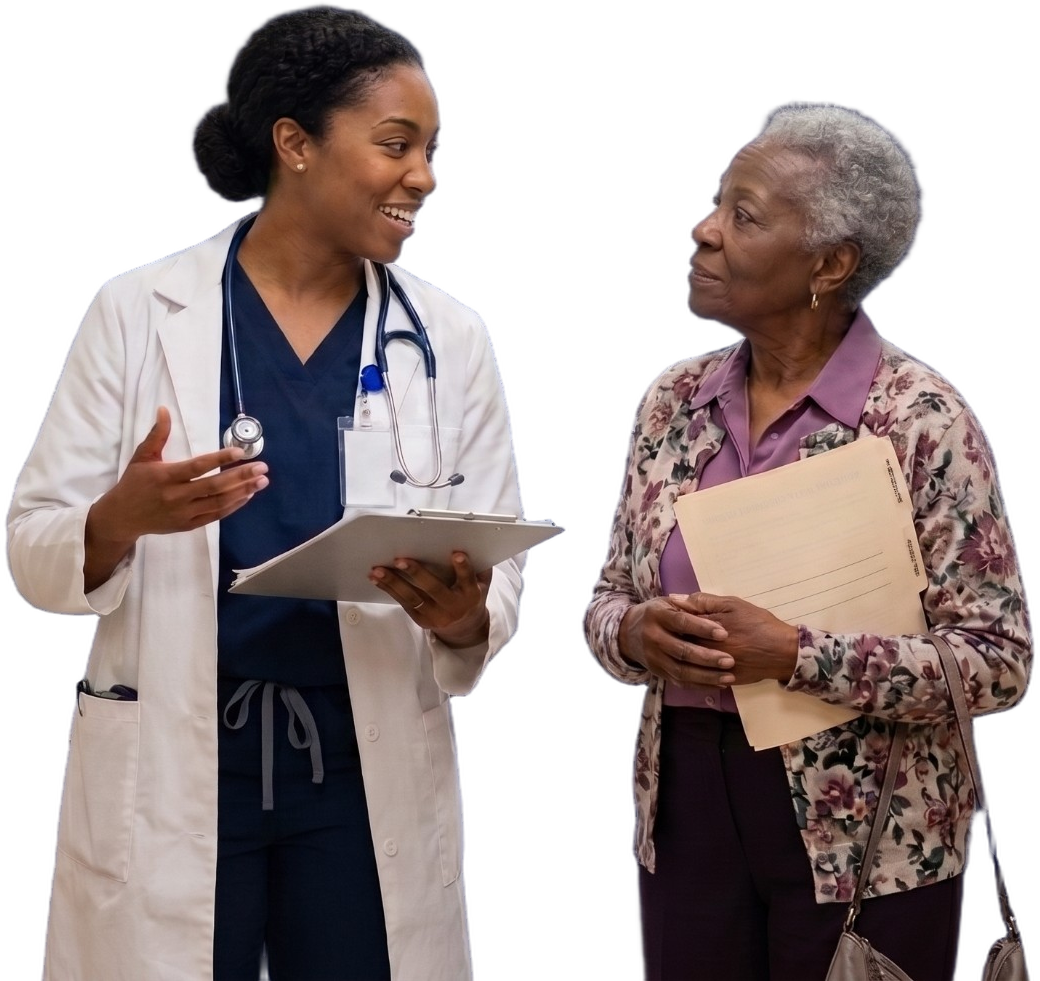
Led by experienced clinical research professionals from across North America, the GPS team has worked on every phase of clinical trials and helps sites succeed through hands-on trial support and precision recruitment. The GPS program was a first-of-its-kind in the neurodegenerative field, and no one does it better. Using data-driven recruitment strategies built on collaboration with GAP-Net sites, each GAP-enabled trial supports the protocol, population, and sponsor objective.
Using GPS services for your trial means you’ll enroll better, quicker, and more diverse participants saving you time, money, and maybe lives
Studies supported since 2017
Average screens per site per month, compared to 0.39 for non-GAP sites
Average recruitment timeline, compared to 23 months for non-GAP sites – saving 5 months of recruitment time

Referrals since inception
Data as of October 2026
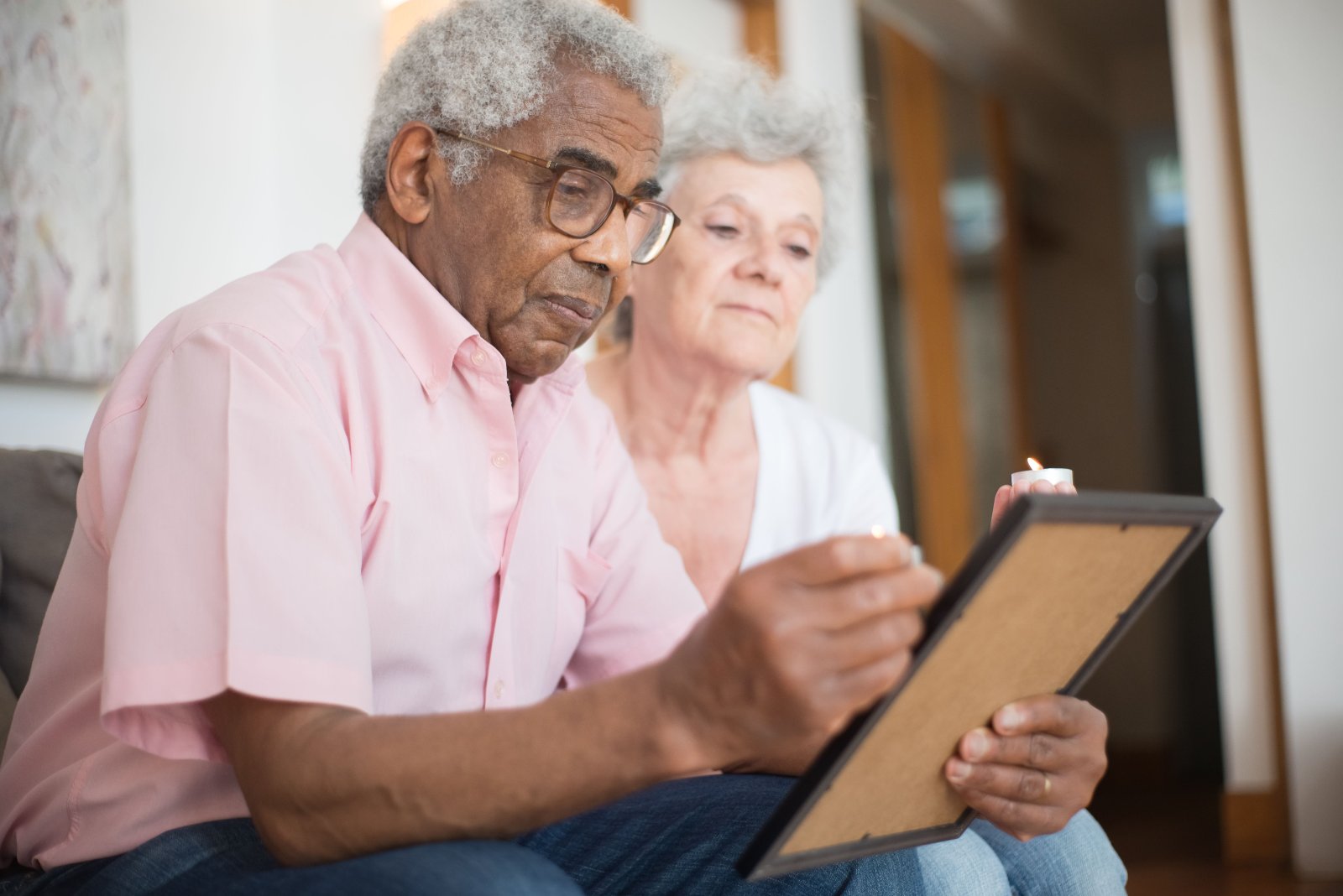
GPS liaisons are individuals with extensive knowledge and experience in many areas of clinical trials and research. They have deep site-specific and protocol knowledge and provide a single point of contact with GAP-Net sites from the beginning to the end of the trial. They assist in creating, deploying, and implementing strategies, tools, study-related materials, while addressing trial-related obstacles. With our team’s ongoing site interactions and engagement, the sharing of lessons learned and best practices can also benefit the progress of our GAP-enabled clinical trials.
Our liaisons are on-the-ground with GAP-Net sites to provide unique, as-needed support to sites participating in GAP-enabled trials with volunteer recruitment, study management, outreach and more. Strategies to support may also include various forms of advertising, community partnerships, memory screening events, earned media opportunities, and are also in the field working with healthcare providers through our CNS Provider Connect program to expand the referral pipeline and recruit the RIGHT people, not just more people, living with dementia into studies that could not only help them but help the neurodegenerative field. They are actively involved in the community and work hand-in-hand with the Community Connectors on our Inclusive Research Initiative (IRI) team.