Catalyst Award
A clinical trial participant who fights for a cause and is an advocate for trial participation in the community.
The Global Alzheimer's Platform Foundation (GAP) created a first-of-its kind award to celebrate Alzheimer's and Parkinson's disease clinical trial participants. The only way to find treatments and cures for these diseases are through clinical trials, and the volunteers that make the research possible.
Meet this year's honorees.The concept behind the Citizen Scientist Awards® is simple — we can't find cures for Alzheimer's and Parkinson's without clinical trial participants. 90% of Alzheimer's, and 80% of Parkinson's studies, are delayed due to insufficient recruitment, making research participants the key piece of the puzzle. We hope their stories inspire you or someone you know to contact a research site to ask about research opportunities.
GAP established GAP-Net, a growing network of nearly 100 leading private and academic clinical trial sites that are involved in Alzheimer's and Parkinson's research. All GAP-Net sites can nominate up to three Citizen Scientists® in each of the four award categories, for a total of up to 12 nominees per GAP-Net site. Each site will celebrate these nominees at their local site and regional events. A final awardee will be selected in each award category for elevated recognition.
Each nominated individual will be presented with a certificate for being named a Citizen Scientist® nominee. The four that have been selected for elevated recognition will receive an award and will be recognized at an event to honor their participation and commitment to continuing research within their communities.
A clinical trial participant who fights for a cause and is an advocate for trial participation in the community.
A clinical trial participant who acts as a stimulus in bringing about or hastening a result through creative, new, and novel approaches to encourage clinical trial participation.
A clinical trial participant who has personally made extraordinary efforts to support local research and participate in a trial.
A study partner for someone who is enrolled or was enrolled in an Alzheimer's disease or dementia trial.
A community partner, organization, or leader that works with a GAP-Net Site to engage, educate, and empower community members to learn more about Alzheimer's and Parkinson's disease clinical trials.
Each year, GAP-Net sites celebrate every nominee. One honoree in each award category is selected for elevated recognition and honored at a GAP event. These are this year's awardees.
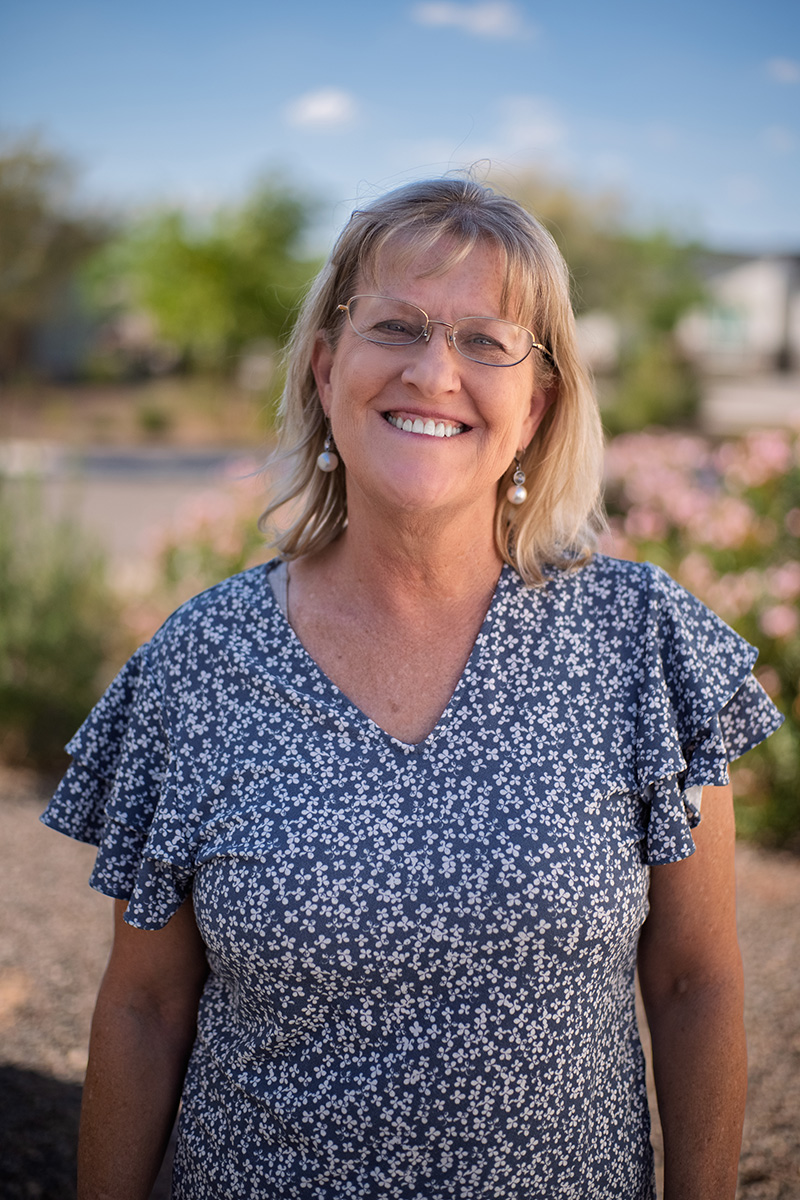
Ann found herself diagnosed with early on-set Alzheimer's disease when she was in her late 50s. She and her husband, Russell, searched the internet for information on "what to expect next" and much of the literature was focused on an audience aged 70-90. It highlighted assisted living and hospice options, rather than new, or soon-to-be, retirees.
They decided that they would become the people they were looking for and started a YouTube channel about life with early on-set AD. Ann documents her life, what it's like to live with a disease like Alzheimer's, Russell's perspective, how they stay active, and what it's like to participate in a clinical trial.
They share the wins and losses with their online community but remain overwhelmingly positive, leaning on their faith, family, and love for one another.
Ann has no plans to stop participating in research and her mantra "slow, stop, or reverse" is what keeps her motivated for the next one.
We share our journey and are very positive people. It's encouraging going to our research site because they're just as positive and supportive.
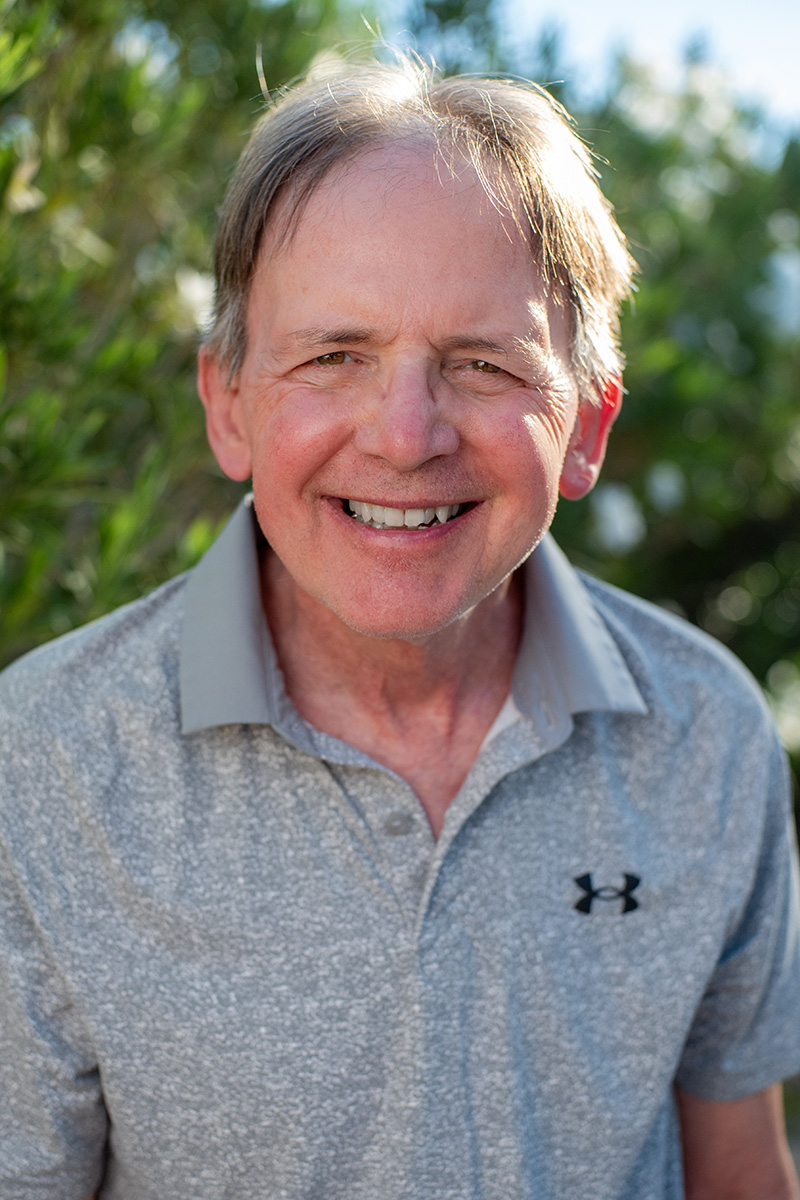
Jim is a retired scientist, with a career in veterinary pathology. After being diagnosed with Lewy Body Dementia (LBD) he did not hesitate to get involved. He knows that the more people who volunteer the quicker the world will have treatments and cures for diseases and disorders.
Since being diagnosed, Jim has participated in no less than five clinical trials and has never turned down an opportunity to get involved. Research is a family affair, with his wife, Anne, and their daughter participating in trials related to epilepsy. He has also spoken on a panel at the 2024 Lewy Body Dementia Association and is involved in LBD support groups.
There isn't anything Jim isn't willing to do to move science forward. Besides his participation giving HIM purpose, the Barrow Neurological Institute team says his resilience feeds their staff to keep going on the bad days.
There are no two people alike, so more people need to volunteer. Participating in research has given me purpose and the desire to keep going.
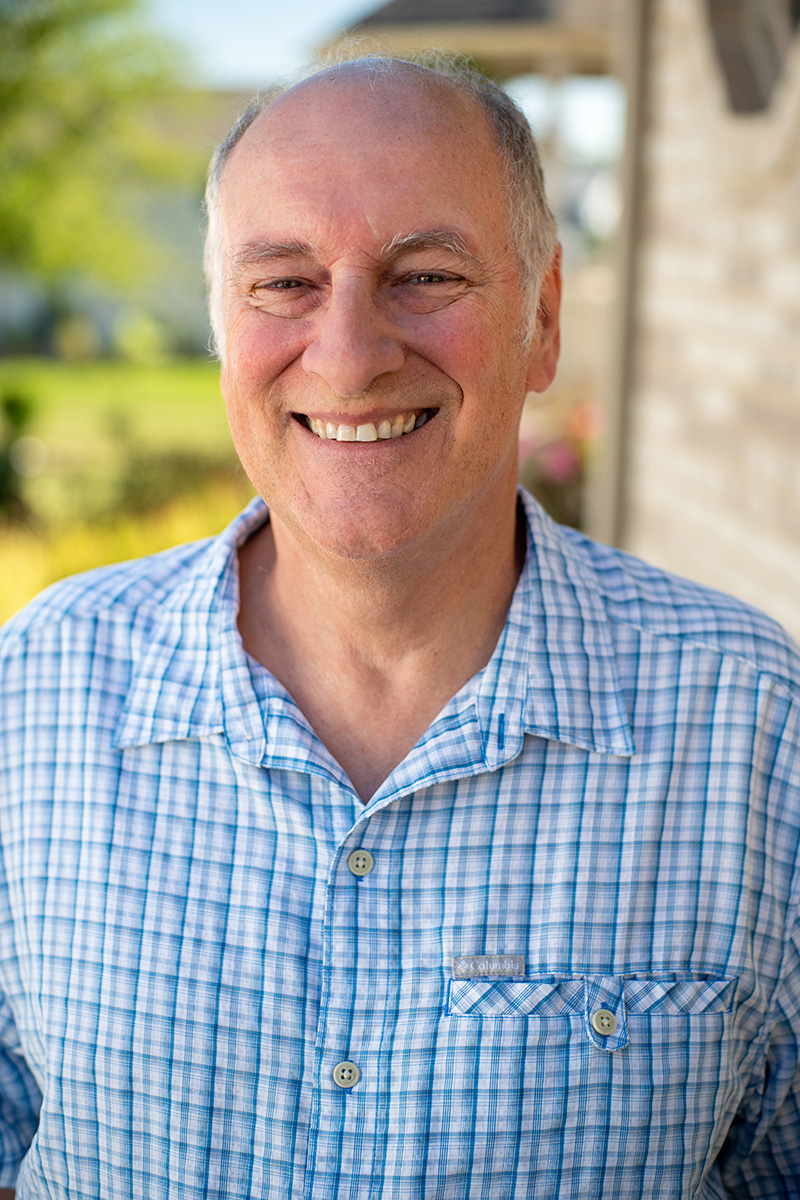
Scott has a multi-generational family history of Alzheimer's disease in his family. When one of his children started noticing that he kept repeating questions, Scott's wife, Dawn, told him he needed to go to the doctor. They asked his primary care physician multiple times for a cognitive exam and when they finally received one, the results were what Dawn had expected: a particular form of genetic early on-set Alzheimer's disease.
With a career spent working for Miller-Coors, Scott decided then to make life changes like cutting out alcohol, eating a well-balanced diet, and getting involved in research. They drive 95 miles round-trip to Advocate Health Care to participate in a research trial. He is also involved in the organization Youngtimers, where other people living with early on-set Alzheimer's can find community.
Participating in research was an easy choice for Scott. He has children and grandchildren he wants to spend time with and help ensure they do not have to worry about developing Alzheimer's.
Don't give up, don't be afraid. We need your help. If people don't step up to get involved in these trials, we're never going to find a cure.
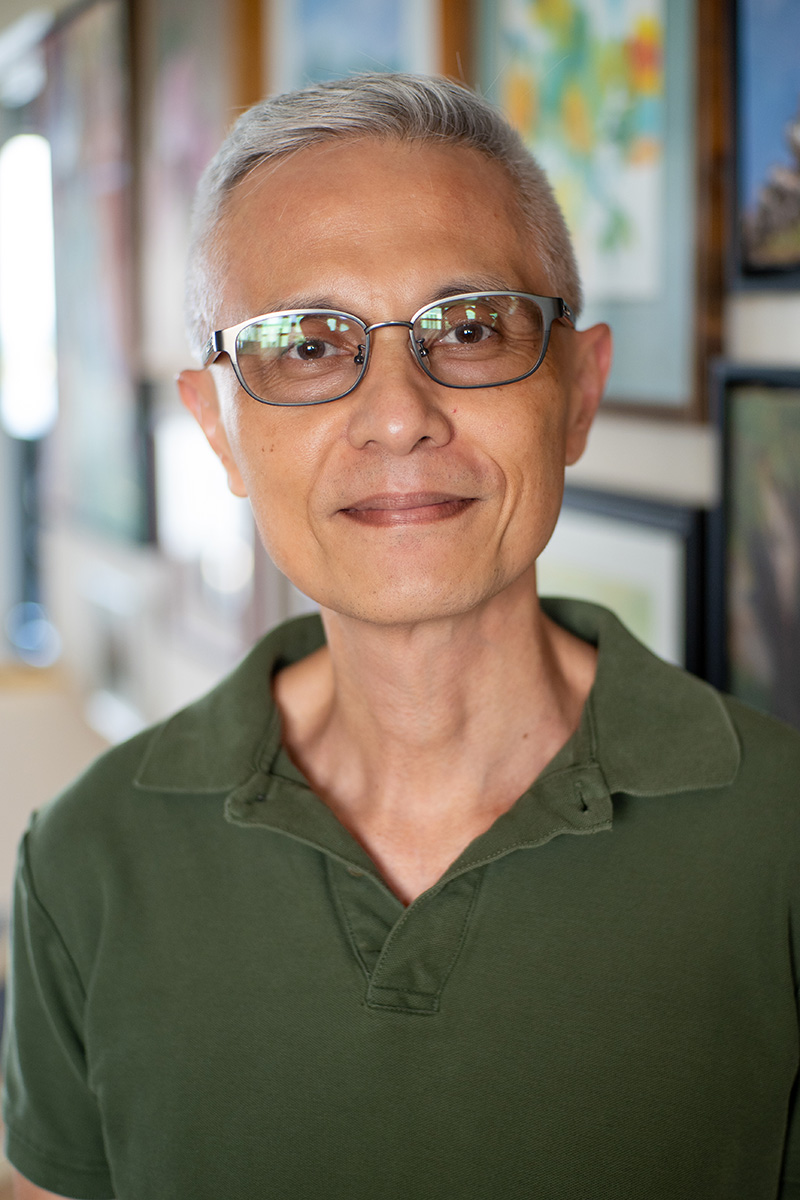
After 30 years together, Brian's husband, Neil, was diagnosed with Alzheimer's disease. They live a vibrant, active, full life — they wondered how could this be? They spent a few days being shocked and sad, then decided they were going to fight this as much as they could.
Brian started by finding out everything he could about the disease, got a second opinion, and discovered Premiere Research Institute was conducting clinical trials. As the trial went on, the reason for participating became altruistic. They have befriended their research team and know they are helping develop options for the AD community.
Since they've been involved, Brian has become Neil's advocate. He maintains full-time employment on top of being a caregiver, study partner, yoga teacher, and friend to many.
We are just one couple who are affected by this out of millions. If the trial isn't a cure but something that will enhance the quality of life of someone living with Alzheimer's, then why not?
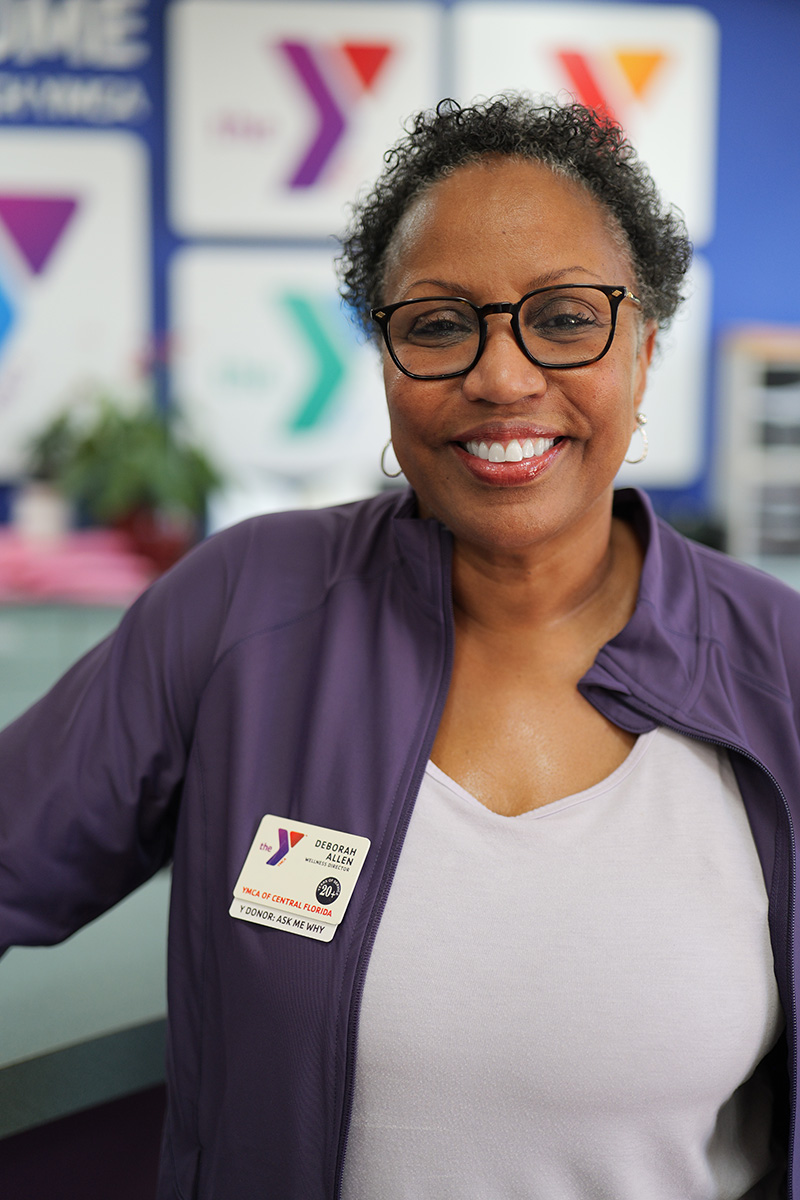
Deb Allen has been at the YMCA for decades and is known by many as "Ms. Deb". She is a pillar at the Wayne Densch branch, designing programs that are senior-focused like the Alzheimer's 5k Walk with the Forever Young Senior group.
The passion for dementia awareness is what led K2 Medical Research to partner with Deb. Several of the programs she manages center maintaining a healthy lifestyle for older adults, particularly those from the Black and Brown communities as they are 1.5-2x as likely to develop Alzheimer's disease. Deb has integrated GAP's Acti-v8 Your Brain (A8YB) program into her community with pickleball sessions, steel pan music lessons, yoga, healthy food demonstrations, and introduced research by welcoming the K2 team into these events.
The members of the YMCA can now recognize K2 and know they are not there to recruit new trial volunteers, but to strengthen the community. By teaming up, K2, Deb, and the Wayne Densch YMCA have not only made research interesting, but accessible.
K2 is a resource and every time we reach out it's a step closer to being more educated and understanding about aging. It reminds our community that there are things they can do, that they have a chance.
Clinical trial participants are on the front line in the fights against Alzheimer's and Parkinson's disease. These heroes are making a difference both being part of research and encouraging more people to volunteer for clinical trials. You can read their inspiring stories below.
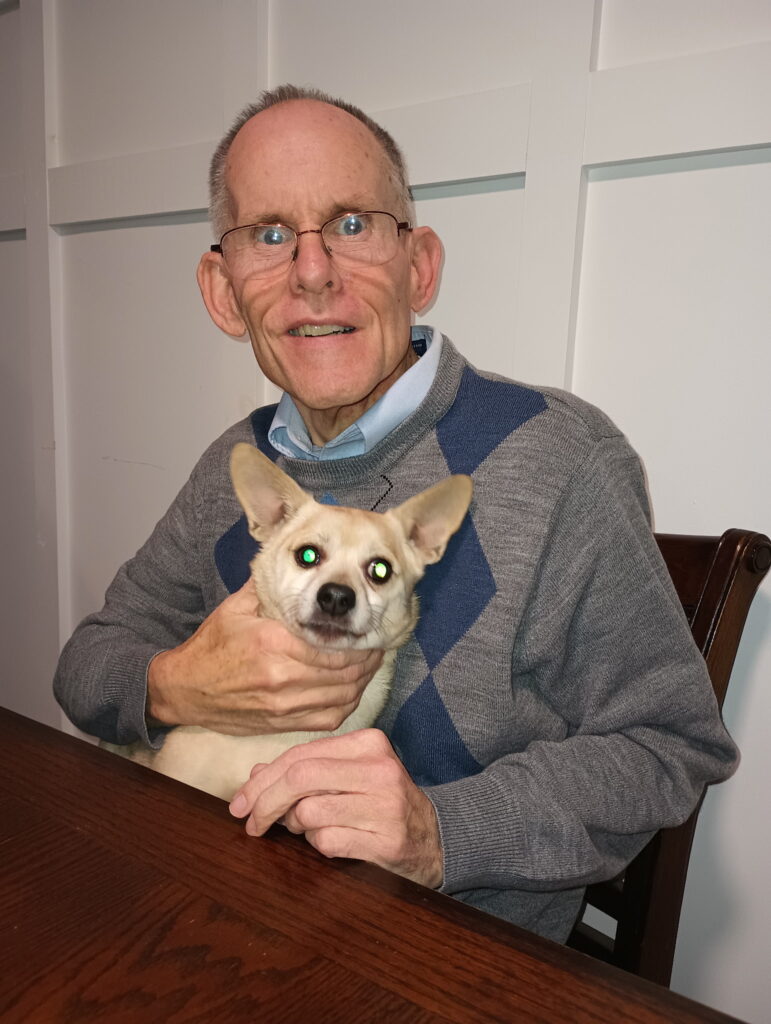
“I became involved with the clinical trial when I was first diagnosed with Parkinson's Disease in 2017. My approach was simple. I could sit back and let the disease take its normal course and do nothing or become involved to try to make a difference in my life but also in the lives of those who will be diagnosed in the future.”Read full story
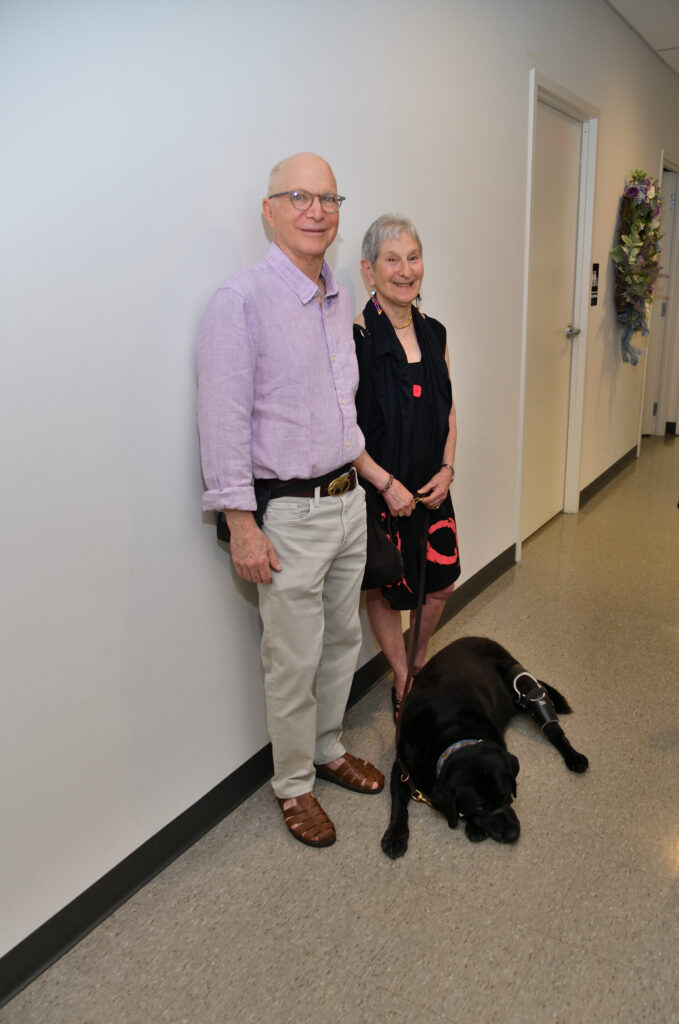
“Participating in research studies allows me to say that I tried to do something, to be proactive about my Alzheimer’s diagnosis. In my first treatment trial, I did not know if I was receiving a placebo or the study drug, but I did not dwell on the possibilities of what I was getting or not getting. The important things to me were that I was doing something to give myself the chance to receive a possible treatment during a time when there were hardly any options, and that I was helping create knowledge to support the future of Alzheimer’s prevention and treatment.”Read full story
“I have enjoyed becoming engaged in the research community! We have met such smart and caring people who work hard to make a difference for people with Alzheimer’s”Read full story

“In my opinion, we need more trained individuals to act as advocates for research to break the stigma in black communities. Some African Americans may be more inclined to consider clinical trials when they see others who look like them who have decided to join and help find a cure for these diseases and/or disorders. It’s a trust issue for many African Americans”Read full story
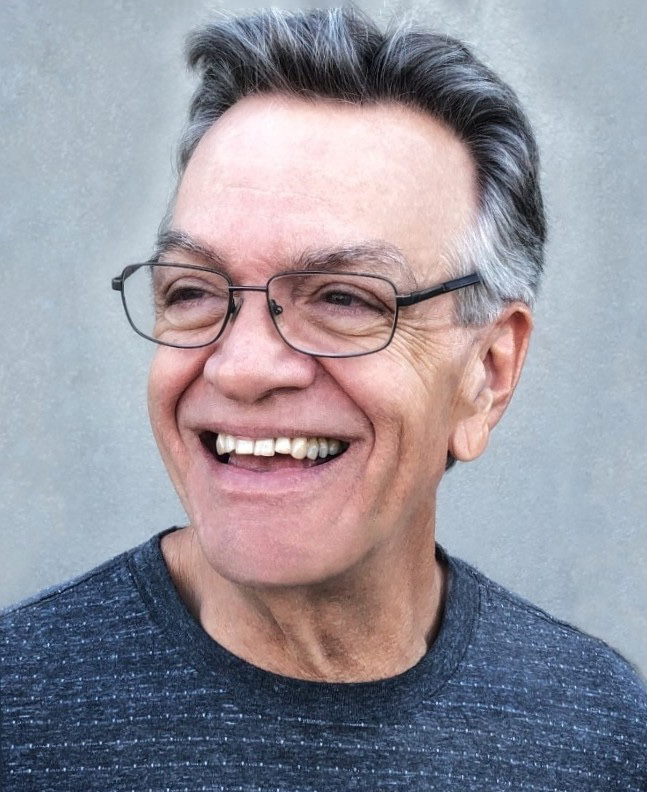
“I want to do everything I can to slow down the progression of the disease. I value my family, my job, and my cats. I think every day with them is a good day and I want to hold on to these memories forever. The most rewarding aspect of being involved is that I am helping find a cure for Alzheimer’s and helping others who suffer from this horrible disease.”Read full story
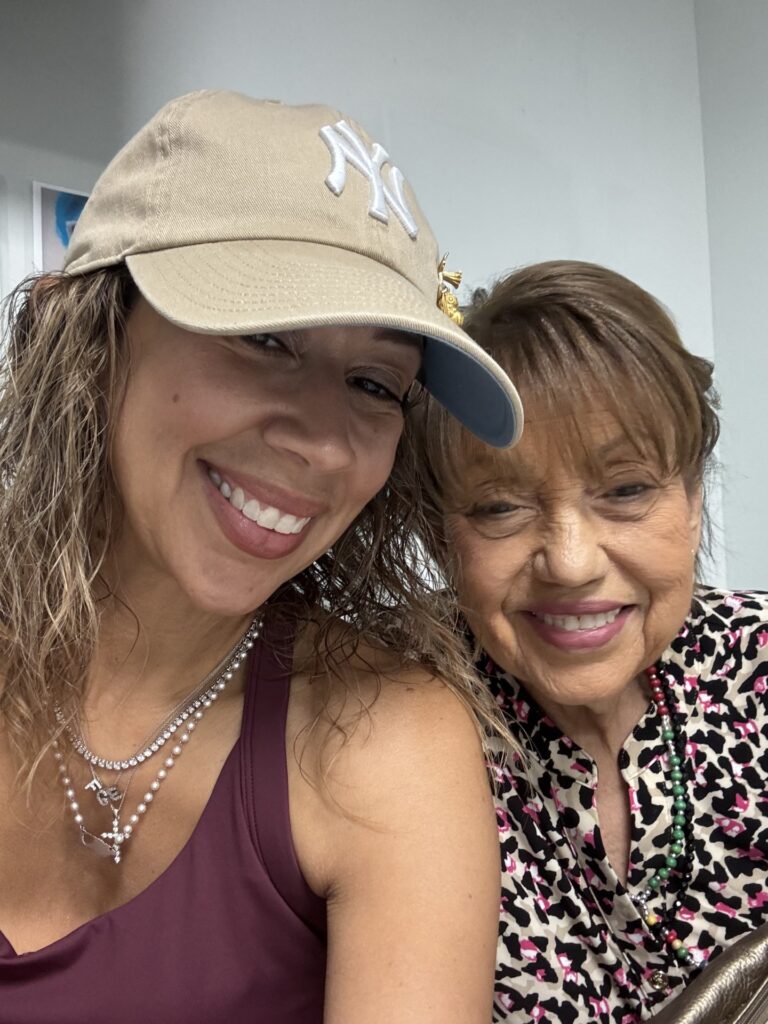
“Dementia/Alzheimer’s in my opinion are silent diseases no one really speaks about it. Looking back now, my grandfather and my grandmother had the disease, however, in Puerto Rico it was just said they’re just getting old and at some point it will happen to you as well. I thought to myself how unfair is that to the person that is suffering and to the family that surrounds them. So I thought why not try help my mom, why not take a leap of faith with a natural experimental medication, why not open up to a stranger and ask for help. Like I’ve mentioned before the trial medication journey opened my eyes to looking past the disease and actually have compassion and understanding for the person who is going through it”Read full story
Every Citizen Scientist nominated by a GAP-Net site since 2019 — searchable by year, site, and award category.